 Image 1 of 1
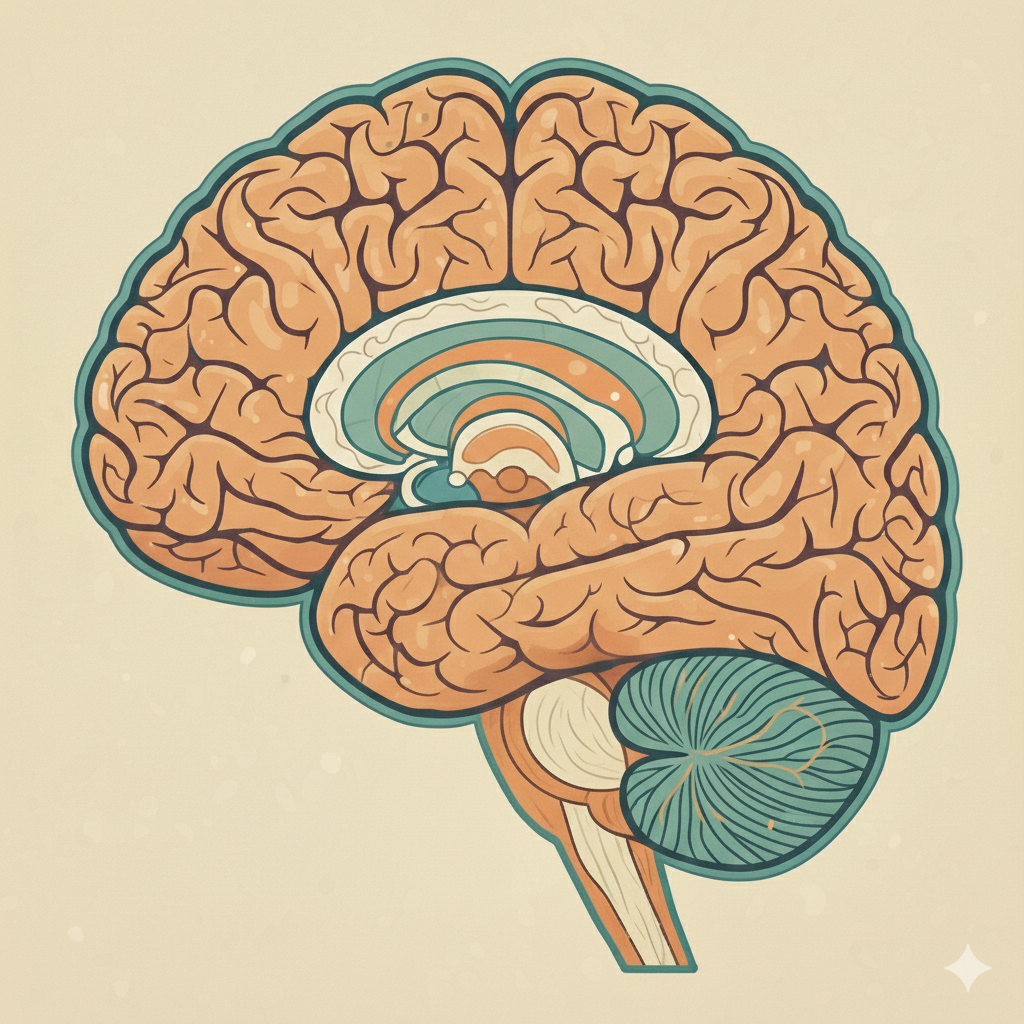
If Volume 1 was the map, Volume 2 is the detailed technical manual for your child’s "Operating System" (OS). We stop asking what the child is doing and start asking how their brain is processing the world. This volume dives deeply into the neurology of the Deaf Autistic brain, explaining why standard "hearing" or "neurotypical" teaching methods often cause system crashes rather than genuine learning.
Key Concepts in Volume 2:
Monotropism (The Attention Tunnel): We explain the science behind your child's "high-intensity spotlight" of attention. Unlike the neurotypical "floodlight," your child cannot safely split their beam without cognitive whiplash. We reframe this as a "Visual Attention Monopoly"—if they are looking at a toy, they literally cannot see your signs, so changing priorities requires careful sequencing and gentle re-orienting.
The 70-Bit Reality: While the standard brain consciously handles about 7 bits of information, the Autistic brain often processes closer to 70. We explore how this vastly reduced automatic filtering leads to "System Overload," where meltdowns function as neurological discharges to clear the buffer, not as intentional tantrums.
Gestalt Language Processing in ASL: Many Deaf Autistic children are "whole-to-part" learners who acquire language in holistic "scripts" rather than isolated words. We teach you how to honor the script and use practical strategies like "Mirror Mode" (signing with your non-dominant hand) to help them map language without the extra confusion of mental rotation.
System 2 Thinking: Your child processes social interaction deliberately and manually, not automatically. We introduce the "10–20 Second Rule," explaining why repeating a question too quickly resets their "loading bar" back to zero and interrupts the download, and how paced wait-time supports successful processing.
If Volume 1 was the map, Volume 2 is the detailed technical manual for your child’s "Operating System" (OS). We stop asking what the child is doing and start asking how their brain is processing the world. This volume dives deeply into the neurology of the Deaf Autistic brain, explaining why standard "hearing" or "neurotypical" teaching methods often cause system crashes rather than genuine learning.
Key Concepts in Volume 2:
Monotropism (The Attention Tunnel): We explain the science behind your child's "high-intensity spotlight" of attention. Unlike the neurotypical "floodlight," your child cannot safely split their beam without cognitive whiplash. We reframe this as a "Visual Attention Monopoly"—if they are looking at a toy, they literally cannot see your signs, so changing priorities requires careful sequencing and gentle re-orienting.
The 70-Bit Reality: While the standard brain consciously handles about 7 bits of information, the Autistic brain often processes closer to 70. We explore how this vastly reduced automatic filtering leads to "System Overload," where meltdowns function as neurological discharges to clear the buffer, not as intentional tantrums.
Gestalt Language Processing in ASL: Many Deaf Autistic children are "whole-to-part" learners who acquire language in holistic "scripts" rather than isolated words. We teach you how to honor the script and use practical strategies like "Mirror Mode" (signing with your non-dominant hand) to help them map language without the extra confusion of mental rotation.
System 2 Thinking: Your child processes social interaction deliberately and manually, not automatically. We introduce the "10–20 Second Rule," explaining why repeating a question too quickly resets their "loading bar" back to zero and interrupts the download, and how paced wait-time supports successful processing.