 Image 1 of 5
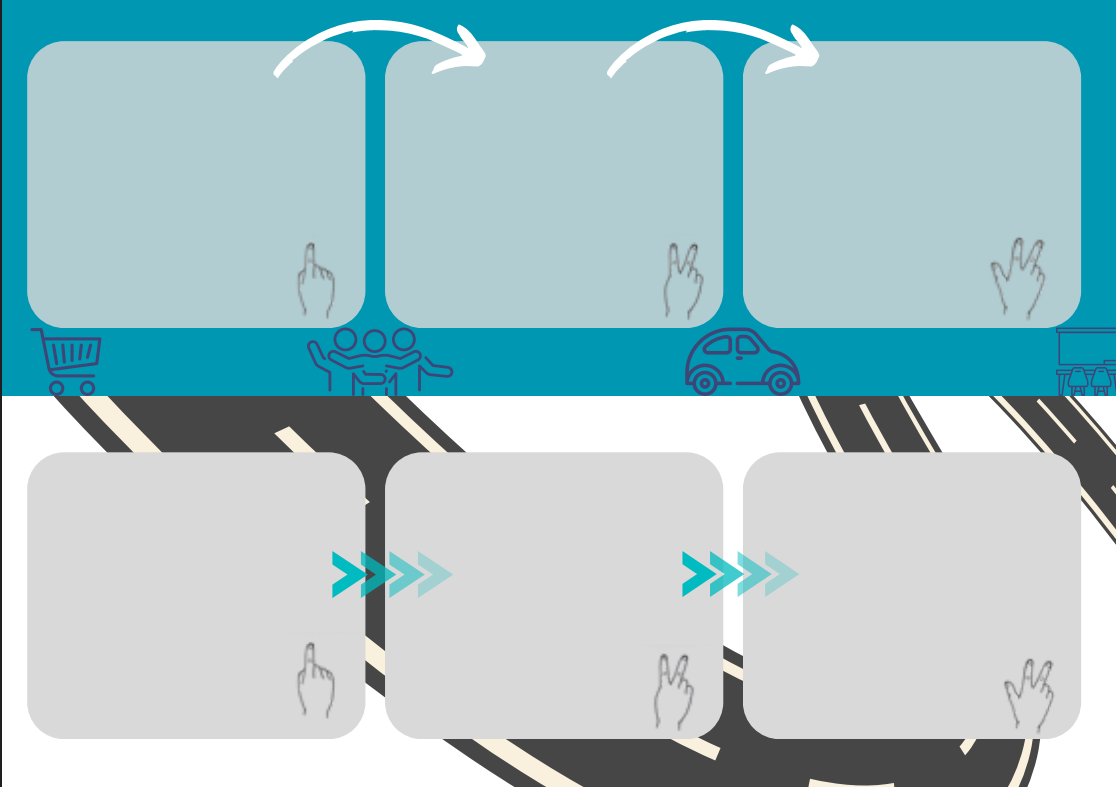 Image 2 of 5
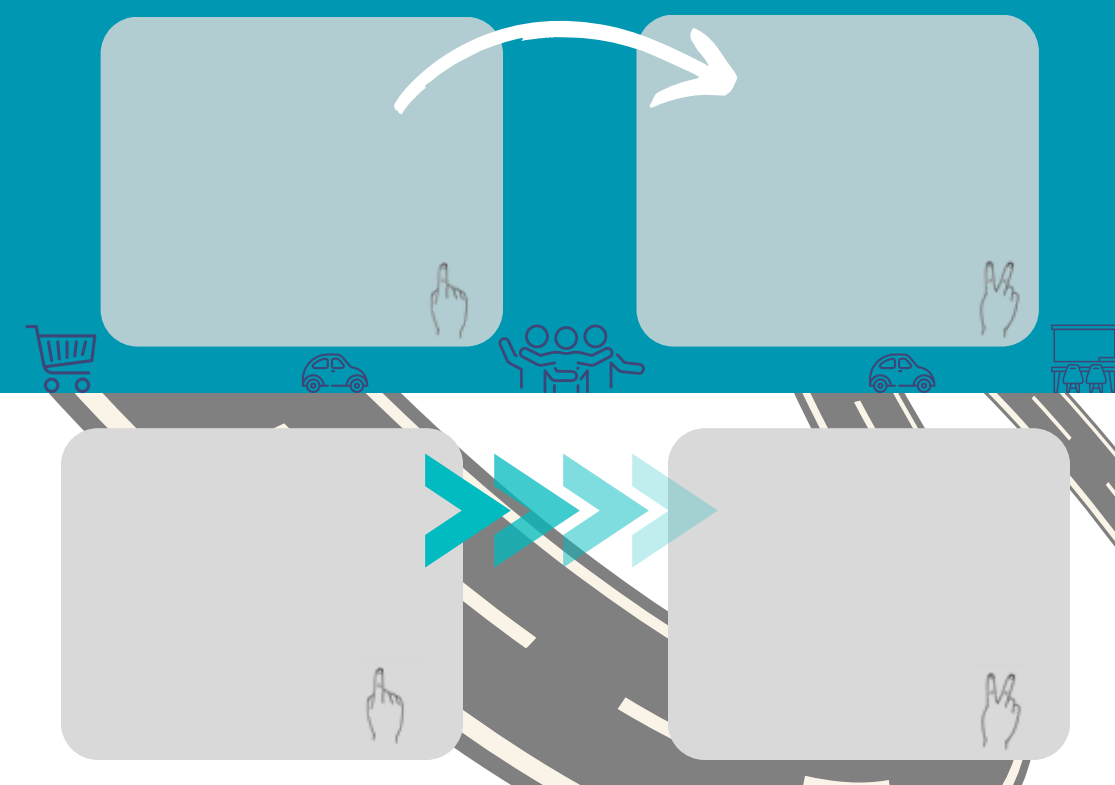 Image 3 of 5
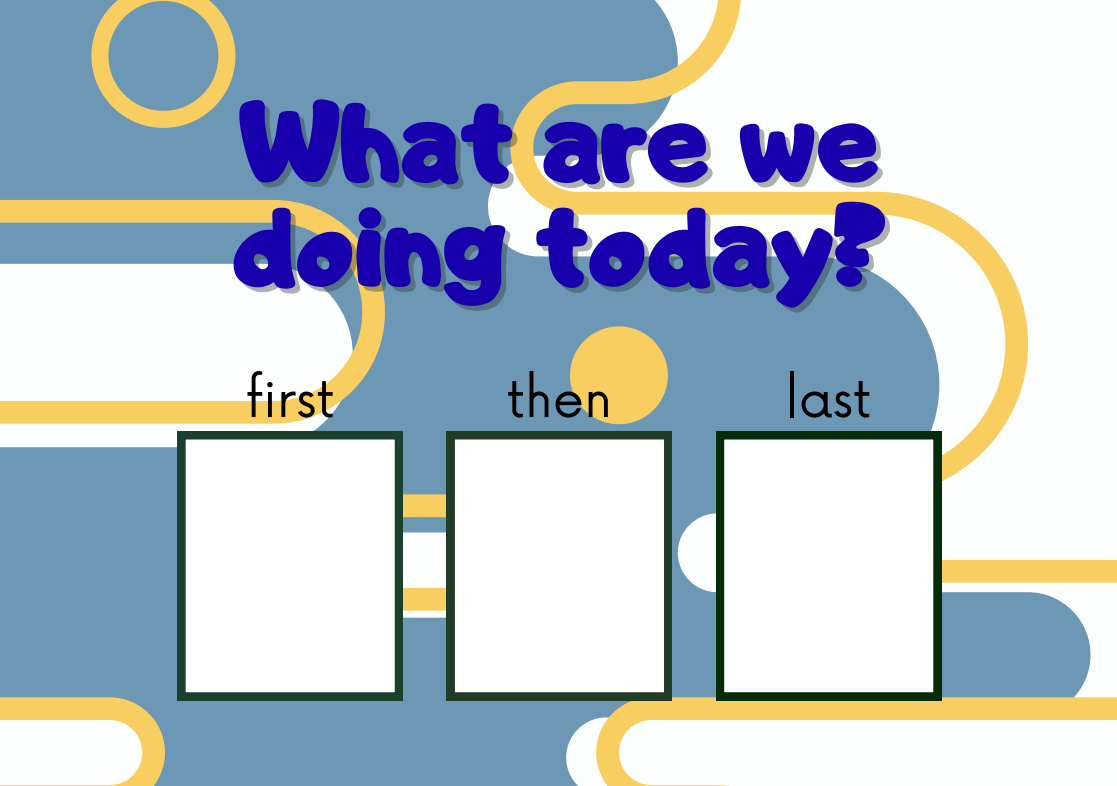 Image 4 of 5
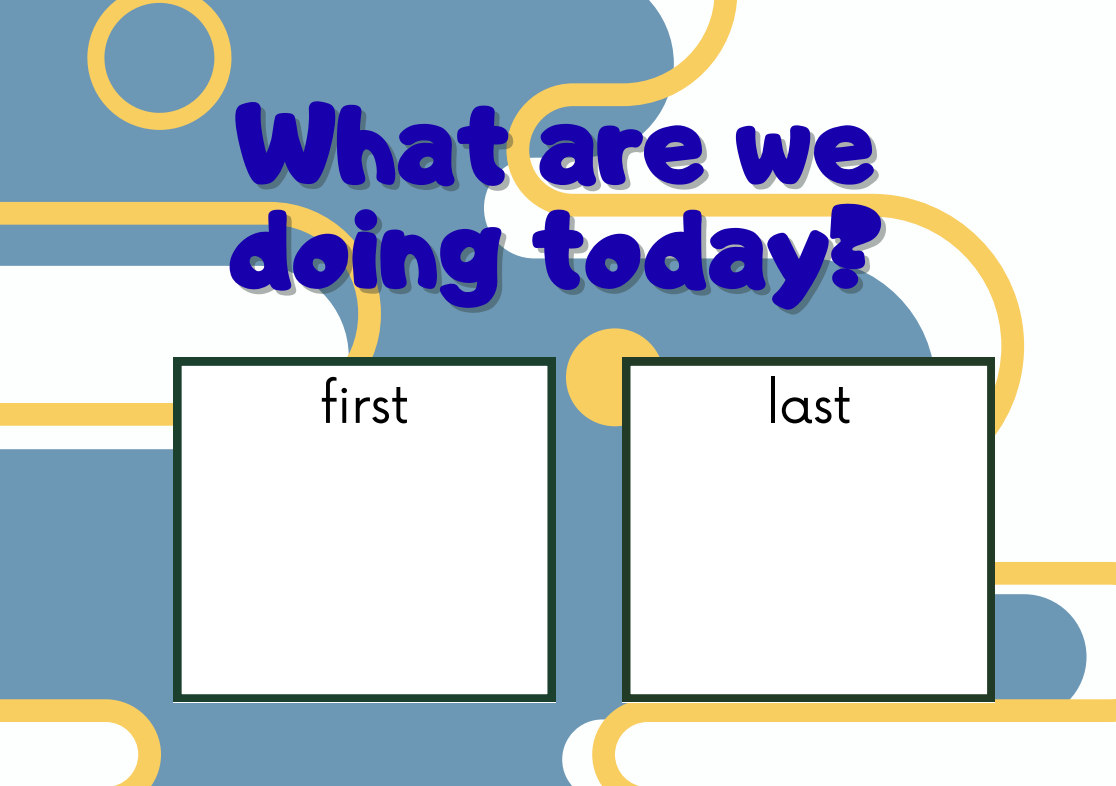 Image 5 of 5
For many Deaf Autistic children, the world can feel like a series of unexpected events that lead to "system flooding" . Because our students run a high-speed, 70-bit Operating System, they need clear, constant information to feel safe . This free, printable set of visual schedules helps families and teachers turn a confusing day into a predictable map .
1. Predictability Equals Safety The brain is always scanning for danger. When a child doesn't know what comes next, their nervous system might switch to "Survival Mode" (meltdown or shutdown) . A visual schedule acts as a "Safety Guide," showing the brain exactly what to expect so it can stay in the Green Zone .
2. Clearing the "Information Clutter" Language Deprivation Syndrome (LDS) makes it hard for a child to categorize time concepts like "before," "after," or "tomorrow". By putting activities in a visual order—First, Then, Last—we provide the physical structure they need to organize their day and reduce rigidity .
3. Saving Processing Energy Processing spoken language or complex signs takes a lot of "CPU" power for our students . Looking at a simple picture and a number (1, 2, 3, 4) is much easier and faster for the brain to handle . This saves their energy for learning and playing instead of just trying to survive the day.
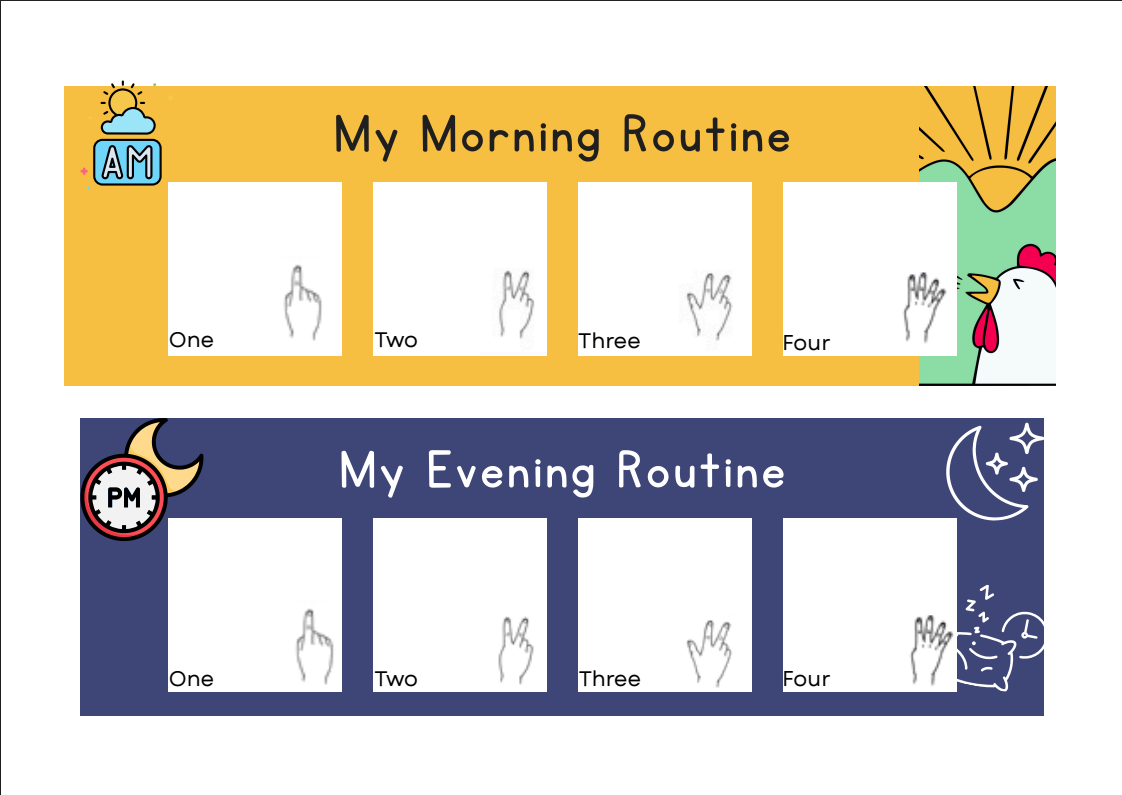
Morning and Evening Routines: Step-by-step maps to help your student navigate wake-up and bedtime with confidence.
"First, Then, Last" Boards: A simple tool to break down big tasks into small, manageable pieces .
The Travel Road Map: Visual bridges for transitions between home, the car, and school to help prevent "system crashes" during changes.
Use the "Loading Bar": After pointing to the next activity on the schedule, wait 10 to 20 seconds. Your student's brain needs time to "load" the transition before they can move their body .
Be the "External Processor": Stay calm while you look at the schedule together . If you are regulated, your student is more likely to mirror that calm and follow the plan .
Regulation Before Compliance: If your student is in the Red Zone (meltdown), stop using the schedule for a moment. Their logical brain is offline. Help them get back to a safe, calm state first, then return to the schedule once they are "Ready" .
This free resource gives our Map Makers the visual structure they need to navigate their routines with peace and pride.
For many Deaf Autistic children, the world can feel like a series of unexpected events that lead to "system flooding" . Because our students run a high-speed, 70-bit Operating System, they need clear, constant information to feel safe . This free, printable set of visual schedules helps families and teachers turn a confusing day into a predictable map .
1. Predictability Equals Safety The brain is always scanning for danger. When a child doesn't know what comes next, their nervous system might switch to "Survival Mode" (meltdown or shutdown) . A visual schedule acts as a "Safety Guide," showing the brain exactly what to expect so it can stay in the Green Zone .
2. Clearing the "Information Clutter" Language Deprivation Syndrome (LDS) makes it hard for a child to categorize time concepts like "before," "after," or "tomorrow". By putting activities in a visual order—First, Then, Last—we provide the physical structure they need to organize their day and reduce rigidity .
3. Saving Processing Energy Processing spoken language or complex signs takes a lot of "CPU" power for our students . Looking at a simple picture and a number (1, 2, 3, 4) is much easier and faster for the brain to handle . This saves their energy for learning and playing instead of just trying to survive the day.
Morning and Evening Routines: Step-by-step maps to help your student navigate wake-up and bedtime with confidence.
"First, Then, Last" Boards: A simple tool to break down big tasks into small, manageable pieces .
The Travel Road Map: Visual bridges for transitions between home, the car, and school to help prevent "system crashes" during changes.
Use the "Loading Bar": After pointing to the next activity on the schedule, wait 10 to 20 seconds. Your student's brain needs time to "load" the transition before they can move their body .
Be the "External Processor": Stay calm while you look at the schedule together . If you are regulated, your student is more likely to mirror that calm and follow the plan .
Regulation Before Compliance: If your student is in the Red Zone (meltdown), stop using the schedule for a moment. Their logical brain is offline. Help them get back to a safe, calm state first, then return to the schedule once they are "Ready" .
This free resource gives our Map Makers the visual structure they need to navigate their routines with peace and pride.